Litter & Clean

How Often Should You Clean a Cat Litter Box?

A practical litter-box routine for daily waste removal, regular cleaning, and safe handling at home.

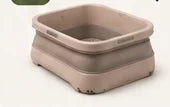
Development sample cat litter box

Quick answer

The practical starting point

Remove waste at least daily, then clean the box on a regular schedule based on the litter, number of cats, and product instructions.

Key takeaways

  • Scoop waste at least daily.
  • Wash hands after handling litter equipment.
  • Keep cleaners and disinfectants away from pets.
  • Pregnant or immunocompromised people should seek household-specific safety advice.

Quick answer

Remove waste at least daily and clean the box on a regular schedule that fits the litter type, number of cats, and the manufacturer’s instructions. Clean sooner when the box looks dirty or smells strong.

Daily care

  • Scoop urine clumps and stool.
  • Top up litter only as needed.
  • Check for spills around the box.
  • Wash your hands after handling the box or litter tools.

Regular cleaning

Empty the box when needed, wash it with a product suitable for the material, rinse and dry it, then refill with clean litter. Keep pets away while cleaners are in use and follow every label direction.

Choose a safe location

Place the box where the cat can reach it without being blocked by another animal or startled by noisy equipment. In multi-cat homes, access and placement can matter as much as the cleaning schedule.

Health and safety

The CDC advises extra care around cat litter for people who are pregnant or have weakened immune systems. Ask a healthcare professional and veterinarian for household-specific guidance. This page is general information, not medical advice.

Common questions

Where should a litter box be placed?

Use a safe, quiet, accessible location where another animal cannot block the route and sudden equipment noise is unlikely.

Do I need to disinfect every time I scoop?

No. Scooping and full-box cleaning are different tasks. Follow the box and litter instructions; disinfect when appropriate and follow the product label.

Sources

  1. Centers for Disease Control and Prevention — About Cleaning and Disinfecting Pet Supplies (accessed 2026-09-16)
  2. The Ohio State University Indoor Pet Initiative — Environmental Enrichment for Indoor Cats (accessed 2026-09-16)

This guide provides general educational information. It does not replace veterinary or medical advice for an individual animal or household.